




Whoa!
I swap wallets a lot, honestly. Phantom feels fast and predictable, which matters when gas spikes. The UI is uncluttered and the key flows are obvious to both newcomers and power users. When you rely on a browser extension for NFTs and DeFi every day, small design choices add up into something that either helps or hinders your whole workflow.
Seriously?
Yes—seriously. My first impression was that Phantom was just another pretty chrome extension. Initially I thought it prioritized looks over safety, but after using it across wallets and dapps I realized it balanced form and function better than most. Actually, wait—let me rephrase that: it started pretty, but then kept improving in ways that mattered to real users.
Hmm…
Security is the thing that keeps me awake. Phantom stores your seed locally and asks for passwords for sensitive actions. It supports hardware wallets like Ledger, which is my default for real holdings. On the other hand, convenience features—like easy token swaps and NFT previews—make it tempting to keep something hot and handy in the extension, which is a trade-off I constantly wrestle with.
Here’s the thing.
If you want the extension, get it from the official source and not some third-party repo. I usually send folks this link for the phantom wallet download extension and tell them to verify browser permissions before installing. Downloading from weird sites is how people end up losing keys, and trust me, I’ve seen somethin’ like that go sideways at a hackathon once—ugh, painful.
Okay, so check this out—
Phantom functions as a Sol wallet, an NFT wallet, and a browser bridge to dapps. The same extension that holds SOL and SPL tokens also surfaces collectibles with thumbnails and metadata, which is huge for collectors. There are some nice touches: keyboard shortcuts, quick network switching, and a transaction history that helps when you need to debug a failed transfer.
Wow!
One small gripe: the mobile app isn’t feature-for-feature with the extension yet. I use the mobile Phantom for quick checks and sending tokens, but I keep the extension on my desktop when minting or interacting with complex dapps. (oh, and by the way… mobile UI has improved a lot recently, so if you check it weekly you might notice new things.)
My instinct said to warn newbies about seed phrases.
Write it down on paper and store it somewhere safe, not in cloud notes. Phantom gives you the seed during setup; copy-paste is tempting, but that opens attack surfaces. If you connect Ledger, the extension delegates signing and your seed stays offline—this is the gold standard for everyday safety.
Whoa, again.
Fees on Solana are weirdly tiny compared to Ethereum, which changes behavior. People feel freer to try stuff—swap, stake, mint—because a failed tx won’t bankrupt you. That’s not an excuse to be reckless, though; scammers exploit that low friction. I’ve watched folks click approvals like they’re accepting cookie banners, which is very very dangerous.
Initially I thought Phantom would be pigeonholed as an NFT-first wallet.
But over time it broadened—token swaps, staking, cross-chain niceties via bridges; the roadmap shows real product thinking. On one hand it’s become feature-rich; on the other hand, every added feature increases the attack surface. So my approach is layered: small balances in the extension for dapp activity, and cold storage for the rest.
Really?
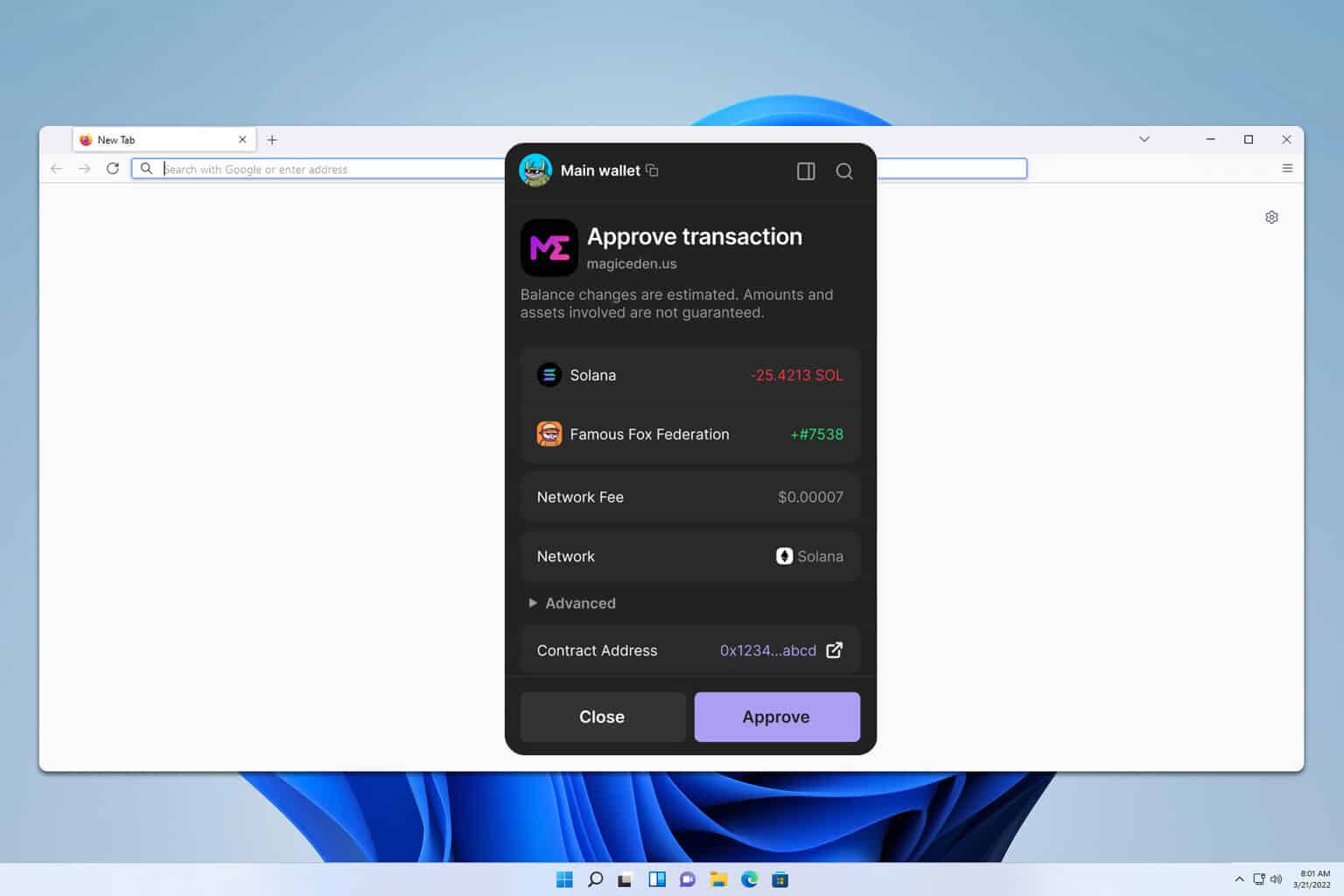
Yes, really. Interacting with dapps through Phantom is mostly seamless. The connect dialog feels explicit and the confirmations are clear. However, approvals can still be confusing for less technical users—contracts request all sorts of permissions, and not everyone understands what “infinite approval” means. Explain that once and many users will avoid long-term mistakes.
Here’s a nitpick—
NFT metadata sometimes fails to load, especially when a collection hosts images on slow IPFS gateways. Phantom caches things, but not perfectly. If you’re minting a drop, open the dev console if you’re comfortable, or check the collection’s Discord for known issues; community channels often reveal temporary network problems faster than bug trackers.
Okay, practical tips.
1) Always verify the URL when installing the extension. 2) Use a hardware wallet for large holdings. 3) Keep small operational balances in the extension for interacting with dapps. 4) Revoke approvals periodically. There are services that help revoke approvals, but do your homework and only connect to trusted revokers.
I’m biased, but these habits saved me grief more than once. Somethin’ else: use multiple browser profiles. I run a profile just for risky dapps and a separate daily driver with my primary keys.
Installing and Using Phantom Safely
Want the extension? Grab the official phantom wallet download extension and check reviews and permissions before you install. After setup, toggle biometrics on mobile if available, set a strong password for the extension, and connect Ledger for high-value accounts—those steps are boring but effective. If you plan to buy NFTs, budget for storage and gas in SOL; swaps are fast, but confirmation windows can be short, so refresh and be ready.
One more thing—
Phantom’s support for tokens and NFTs is good, but it doesn’t replace doing your own research about projects. Trust signals like minting contracts, community size, and third-party audits matter. If a project asks you to sign messages for giveaways, pause and verify; giveaways are a common vector for social engineering scams.
FAQ
Is Phantom safe for holding NFTs?
Yes for general use, but treat the extension like a very convenient tool rather than cold storage. For high-value NFTs consider custody solutions or split-key strategies. Also, always verify the mint contract and use hardware wallets when possible.
Can I recover my Phantom wallet if I lose my computer?
Yes—use your seed phrase to restore on another device or the mobile app. If you used Ledger, recover via that device instead. Keep your seed offline and multiply backups across secure locations.
Should I trust dapps that request unlimited token approvals?
No—avoid infinite approvals unless you fully trust the contract. Revoke permissions after use if you can. There are revocation tools, but vet them first to avoid handing more access to random services.